
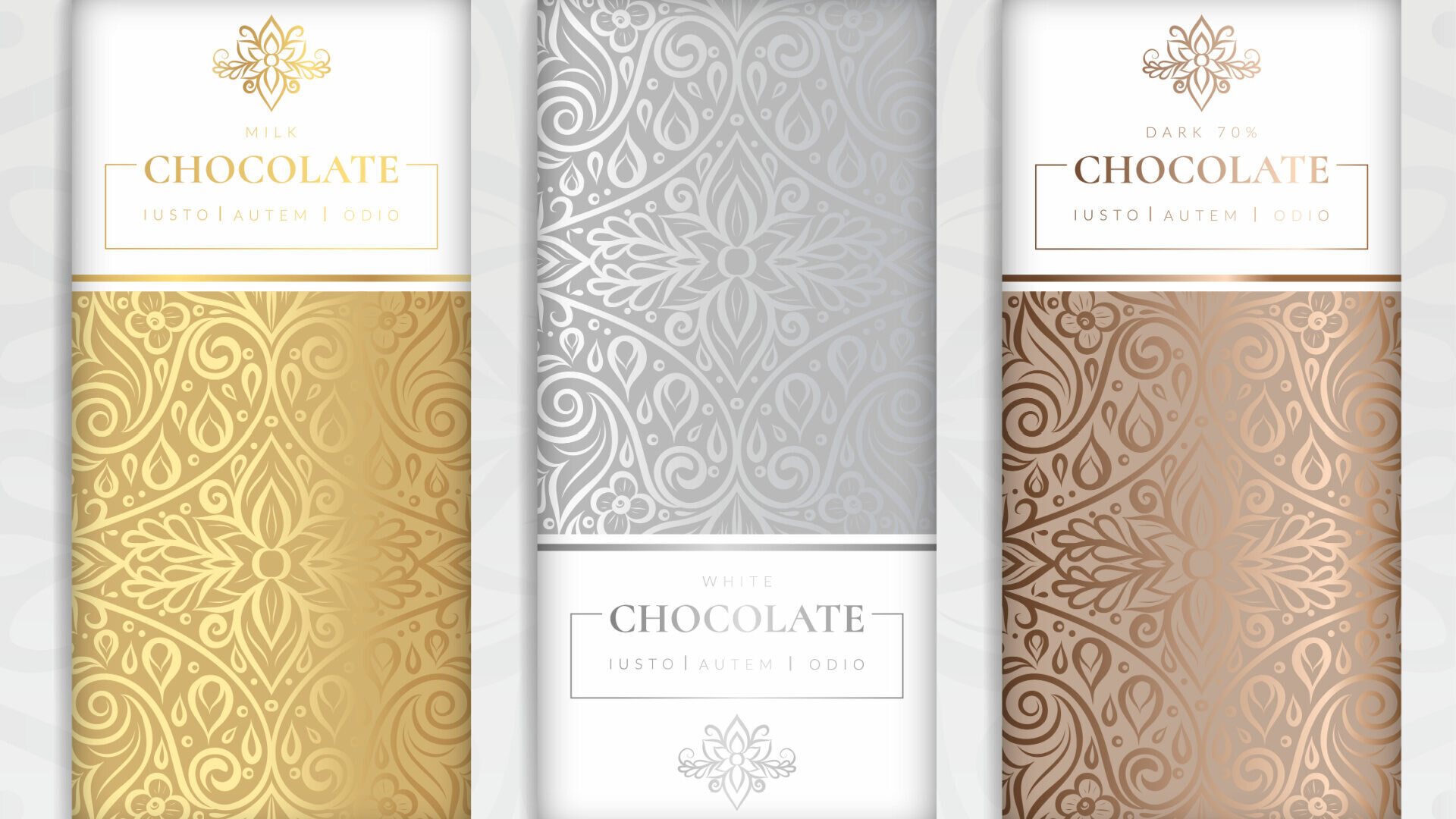
Exploring the Distinct Delights: Dark, Milk, and White Chocolate
Chocolate, often called the “food of the gods,” has a rich history of indulgence dating back centuries. Among its many variations, dark, milk, and white chocolate stand out as beloved choices. While these three types share some similarities in nutritional value, they possess unique characteristics that set them apart, and their benefits extend beyond mere taste.
Dark milk and white chocolate are surprisingly similar in their essential nutritional content. A tablespoon of each type offers around 1 gram of protein, 8 grams of sugar, and 4.5 grams of fat. However, white chocolate has the highest calorie content due to its sugar and fat. Milk and white chocolate offer a modest dose of calcium, contributing to bone health, while dark chocolate provides a small amount of dietary iron.
Dark Chocolate: The Health Champion:
Dark chocolate emerges as the healthiest choice among the trio. Its distinction lies in the rich cocoa content that lends it its distinctive bittersweet taste. This high cocoa content also means dark chocolate is lower in sugar than milk and white variants. Additionally, dark chocolate is rich in flavonoids and antioxidants, such as catechins and polyphenols, which have been linked to various health benefits, including improved heart health and reduced risk of certain chronic diseases.
Milk Chocolate: Creamy Comfort:
Milk chocolate boasts a smooth, creamy texture, deriving its flavour from the addition of milk solids. It’s a delightful treat, loved by many for its comforting, familiar taste. The calcium content in milk chocolate supports bone health, making it a slightly better option than its white counterpart in terms of nutritional value.
White Chocolate: The Sweet Yet Controversial Option:
White chocolate, although not technically “true” chocolate because it lacks cocoa solids, offers a distinct sweetness. Purists often criticise it, but its unique taste and texture have their fan base. White chocolate typically has more calories due to its higher sugar and fat content, which might not align with those seeking a healthier option.
If you’re concerned about sugar intake, opting for higher-cocoa-percentage dark chocolate can be wise. The higher the cocoa content, the less sugar is usually in the chocolate.
In conclusion, the world of chocolate provides a range of flavours and benefits to suit various preferences and dietary needs. Dark chocolate shines as the nutritional star, rich in antioxidants and lower in sugar, while milk and white chocolate offer their own pleasures and dietary contributions. Whichever you choose, remember that moderation is vital to savouring these delectable treats while reaping their potential benefits.