
From Kneading to Notetaking
Over the years, I have baked many loaves of bread. Some turned out beautifully. Others taught me lessons that only experience can teach. One thing I learned fairly quickly is that bread baking involves far more than simply following a recipe. Small changes can make a surprising difference. A little more water, a different flour, a warmer room, or an extra half hour of rising time can completely change the final result.
That is one of the reasons I started writing things down.
At first, my notes were scattered on scraps of paper, recipe printouts, and the backs of grocery lists. I would tell myself that I would remember what I had done differently, but a few weeks later the details were often gone. When a loaf turned out especially well, I wanted to recreate it. When one did not, I wanted to understand why.
Keeping a notebook gave me a place to record those details.
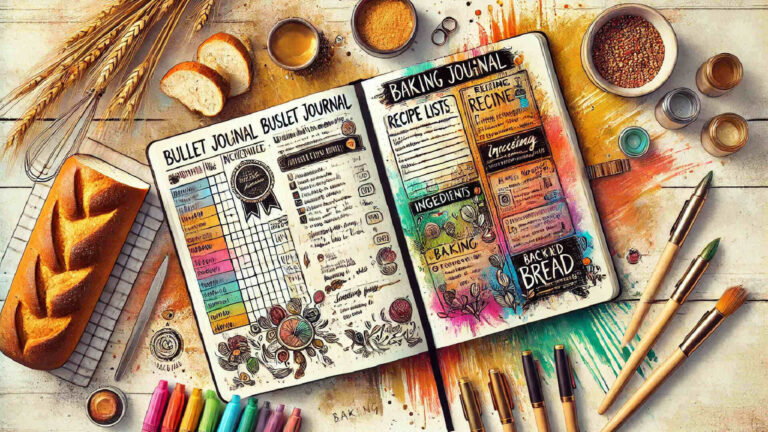
For me, a bread journal is not just a collection of recipes. It becomes a record of experiments, observations, and small discoveries. I can note whether I used whole wheat flour instead of white, whether the dough seemed too dry, or whether the loaf needed a few extra minutes in the bread machine. Over time, these notes become just as valuable as the recipe itself.
I also enjoy recording the results. Sometimes I include photographs. Other times I simply write a few thoughts about what worked well and what I would change next time. Looking back through old entries often reminds me how much I have learned and how my baking has evolved.
There is also something satisfying about seeing a collection of recipes gathered in one place. Instead of searching through files, websites, and loose papers, I can open a notebook and find recipes I have already tested and adjusted to suit my own preferences. It becomes a personal reference library built one loaf at a time.
For those who enjoy memory-keeping, a bread journal can become even more meaningful. It can preserve family favourites, seasonal recipes, and little details that might otherwise be forgotten. Years from now, it may bring back memories of a particular kitchen, a special occasion, or the people who shared those meals.
Whether you are new to bread making or have been baking for years, keeping notes can be one of the most useful habits you develop. The process does not need to be complicated. A simple notebook is often enough.
Sometimes the best recipes are not just the ones we bake. They are the ones we take the time to remember.